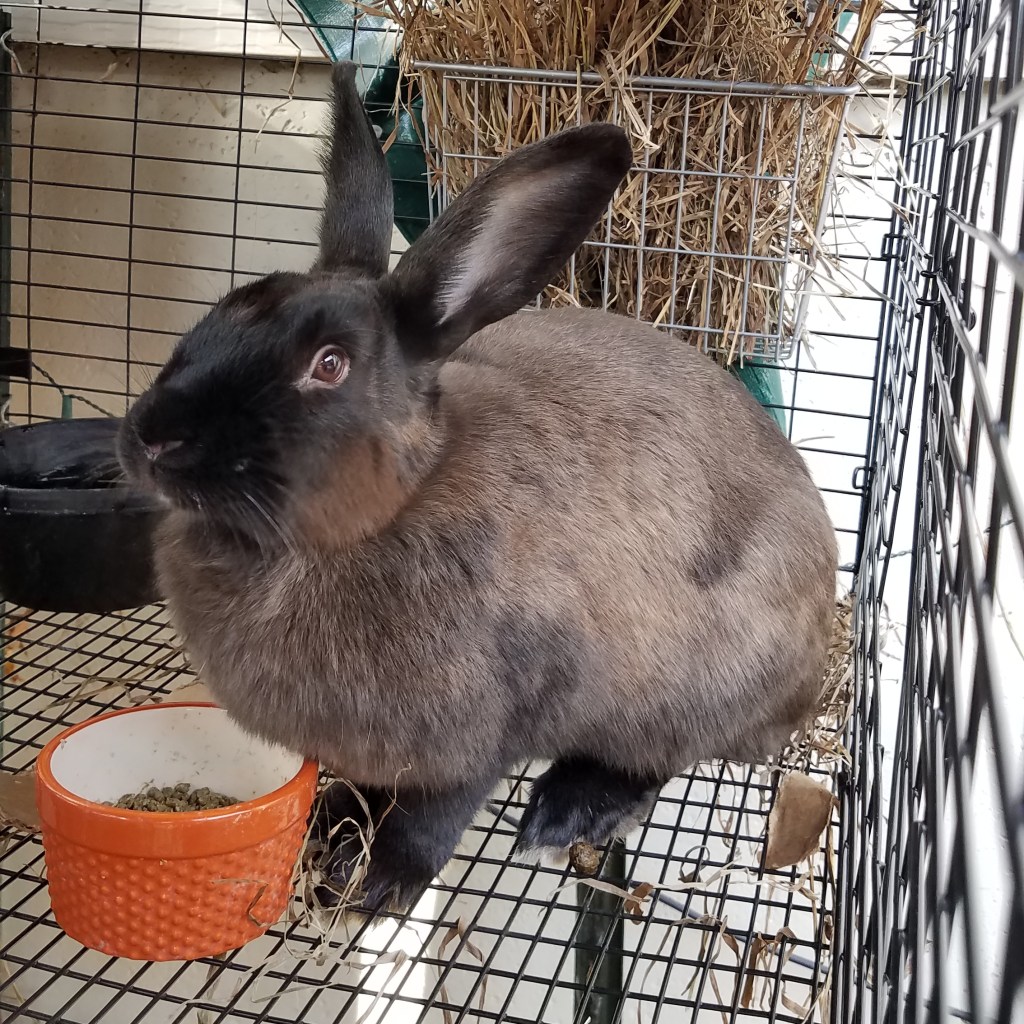
I have mentioned this before, but part of the reason I raise rabbits for meat is because I have a very particular allergy to the vitamin b12 supplements. (emphasis on the supplement not the vitamin itself) This means that I find a lot of unexpected restrictions in what I can safely consume from commercial food items. Although stuck in suburbia, I am able to at least raise rabbits and keep a reasonably sized garden to ensure that I have a reliable source of clean food that I am able to safely consume. I still get regular groceries at the store and occasionally eat out, as my husband and I don’t have an income that can afford for me to quit my job and work full time at home raising crops and livestock. And let’s be honest, the convenience of not having to grow ALL of your food is nice but is pricey the more restrictive your diet.
So now to answer your real questions: How do you cook rabbit? And more importantly: How do you cook rabbit that’s not tough/gamey/chewy?
This is your fair warning that I will be talking about cuts of meat so squeamish readers beware.
Rabbit falls into a sweet spot between chicken and pork. It’s not fatty so you’ll want to marinade or cook it with stock to keep it from being dried out and tough. If ground, it’s best to include a bit of pork or other fat for flavor and to keep it from sticking to your pan when cooking. And speaking of flavor, rabbit doesn’t have a very distinct flavor of its own, so it easily takes on whatever flavors you add to it when cooking.
Personally, when we break down our meat we have 4 categories: ground meat, loin, legs, and wings.
For grinding this includes primarily organs (liver, kidney, heart, and lungs) and small cuts like the thin belly, rib, and neck meat. We grind our meat with a ratio of 70-75% rabbit to 25-30% pork (generally pork belly or bacon end cuts because they’re fatty). Anything you would make with ground beef, turkey, or other meat we use the rabbit. The inclusion of the organs when grinding makes this part super nutritious as many vitamins are concentrated in the organ meat.
The loin, or tenderloin, cut of meat is the same as you would find a beef or pork loin, located along the either side of the spine from hip to shoulder. I generally end up breaking the loins into two separate pieces while butchering. I separate the body in half at the bottom of the rib cage and have a small upper loin and larger lower loin for four total pieces when all is said and done. These can be cooked up very much like you would chicken tenders grilled, breaded, or chunked into bite-sized pieces.
Now for the legs. The back legs of a rabbit are large and meaty. They are delicious when marinated and grilled or baked with a bit of stock and vegetables. The shape and taste is somewhere between a porkchop and a chicken leg quarter (drumstick+thigh). The front legs on the other hand are small, but make wonderful buffalo wings. As an added bonus, you don’t have to deal with the skin like you do chicken.
Lastly, you can always cook a rabbit whole. This is a very popular option for stews. Rabbit also makes a very delicious “chicken” noodle soup. Another good option is to marinate and roast with vegetables. While there are plenty of rabbit specific recipes out there, I have found it fairly simple to add or substitute rabbit into an existing recipe with little change necessary so long as you are bringing it up to cooking temperature (we use pork temperature). Enjoy.
 Paper and Rabbits
Leave a comment